
The Difficult Shoulder · with Jo Gibson

Solve your toughest shoulder cases with evidence-based assessment and treatment

Advanced clinical problem-solving with Jo Gibson: shoulder instability, thoracic outlet syndrome, the latest evidence and the cases that don't respond. Four in-depth, case-based presentations you can apply in your next treatment session.

case-based presentations
4case-based presentations
hours of CPD
3.5hours of CPD
months on-demand access
12months on-demand access

This course builds on the principles taught in the Shoulder: Steps to Success online course and applies them to complex presentations and real-life clinical problem-solving. It isn't a replacement for that course, and you don't need to have completed it to get practical tools and strategies from this one.

Course content

Four deep-dive presentations

Each presentation is built around real case studies and Jo Gibson's specialist shoulder practice, with the questions from the live Q&A recorded at the end. Watch in any order, pause and rewind, and come back as often as you like within your 12 months of access. Download the course handout before you start.

Part 01
Jo Gibson· 1h 3m

What's new, and what does it mean for our treatment?

Make sense of the latest shoulder evidence and what it means for your patients.

It can be tough making sense of the evidence and understanding how it impacts our treatment, particularly when it undermines specific treatments we use and value. What do you do when the research doesn't provide a clear pathway forward, or you're unsure how the evidence applies to your clinical practice and patients?

In this comprehensive presentation Jo explores the changing narrative and evidence-based landscape around treating patients with shoulder pain, and importantly what it means for your management of patients. The Q&A recorded at the end covers questions such as whether treatment progressions should be introduced during a flare-up, what to do when patients can't sleep because of pain, and what to prescribe when the scapula assistance test improves symptoms.

In this presentation you'll discover
  • Whether exercise really is our best intervention.
  • Effective patient education: what it is, and how to provide it.
  • Updated insights on common pathologies, and what that means for your treatment.
  • Real-life case studies that help you apply the key points from the latest research to your patients.

By the end of this presentation you'll have a solid grasp of the key themes in the current literature around the management of shoulder pain, and how to use the research to treat your patients more effectively.
1 presentation
Slide to browse
  • Presentation 1 - What's new and what does it mean for our treatment
Part 02
Jo Gibson· 47m

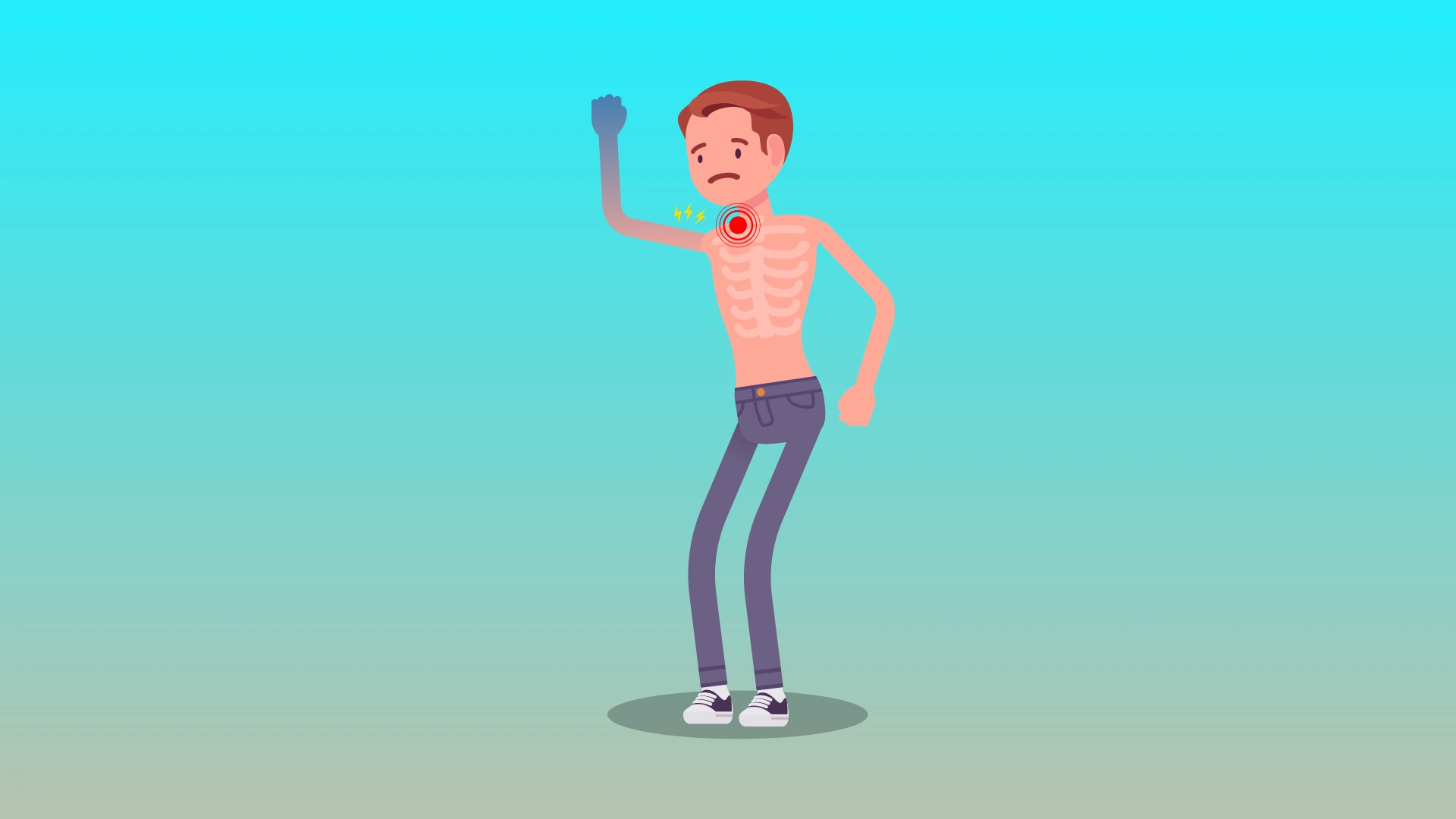
Thoracic outlet syndrome: Is it or isn't it?

A confident diagnostic framework for neurogenic thoracic outlet syndrome.

Neurogenic thoracic outlet syndrome is a condition that causes a lot of confusion, debate and discussion, and clinicians often find diagnosis challenging.

The Q&A recorded at the end covers questions such as whether a cluster of tests helps distinguish cervical spine related shoulder pain, whether thoracic outlet syndrome symptoms need to start at a similar time to a cervical trauma to be related, and how quickly to refer on when there are sensory or motor changes.

In this presentation you'll explore
  • What we currently understand about neurogenic thoracic outlet syndrome.
  • How to confidently make a diagnosis.
  • Differential diagnosis.
  • A case study to illustrate clinical reasoning and treatment options.

After this presentation you'll be able to diagnose patients with neurogenic thoracic outlet syndrome confidently, know how to rule each differential diagnosis in or out, and know where to start with treatment.

1 presentation
Slide to browse
  • Presentation 2 - Thoracic outlet syndrome: Is it or isn't it?
Part 03
Jo Gibson· 54m

Shoulder instability: Is it any different?

Traumatic and atraumatic instability, persistent apprehension, and the patient who keeps subluxing.

Shoulder instability includes a whole spectrum of presentations and can cause clinicians a lot of headaches when things don't go well. What should you consider when a patient with atraumatic instability keeps subluxing or dislocating and you can't change it, or someone who has had surgery continues to report apprehension? Does instability require different management to shoulder pain?

The Q&A recorded at the end covers questions such as how to assess hypermobility when the Beighton score doesn't include shoulder rotation, how long first-time traumatic dislocations should be immobilised and when to start them moving, and whether there is an equivalent of the ASH tests for the shoulder.

In this presentation you'll consider
  • What's different about instability.
  • Key considerations in treatment decision-making.
  • Persistent apprehension: why it happens and what we can do about it.
  • Case studies to help inform your clinical reasoning and problem-solving.

At the end of this presentation you'll understand the key considerations in the management of patients with instability, whether traumatic or atraumatic, and importantly where things can go wrong and what to do about it.

1 presentation
Slide to browse
  • Presentation 3 - Shoulder instability: Is it any different?
Part 04
Jo Gibson· 46m

When things don't go according to plan: what next?

Why patients plateau, why treatment fails, and how to get them back on track.

It's great when your shoulder treatment goes well and patients get back on track, but it's frustrating and challenging when things don't go quite so well. As clinicians we are really tough on ourselves when patients don't respond to our interventions, so what can we do?

The Q&A recorded at the end covers questions such as the rehab strategies used with the case-study patient whose shoulder pain affected his golf swing, what to do when calcific tendinopathy isn't responding to treatment, and whether there is a role for nerve blocks, radiofrequency ablation or injections when patients are unsuitable for surgery.

In this presentation you'll discover
  • Why symptom modification tests may not work, and what to do if they don't.
  • Key reasons patients don't progress, and what to do about it.
  • What to do when progress plateaus or symptoms worsen.
  • Case studies to illustrate clinical reasoning and problem-solving.

This presentation will help you confidently problem-solve why patients are not doing as well as you hope, and importantly how to get them back on track and on the road to recovery.

1 presentation
Slide to browse
  • Presentation 4 - When things don't go according to plan: what next?
Resources & bonuses Included with every ticket
Course handout & information

Course handout & information

The course overview and the downloadable course handout, to print or save for quick clinic reference. Your progress through each presentation is recorded so you can continue where you left off.

What changes in clinic

What you'll be able to do after this course

Four presentations, each focused on a distinct clinical challenge, so you can:

  • Confidently diagnose and manage neurogenic thoracic outlet syndrome, and rule each differential diagnosis in or out.
  • Apply the latest research on shoulder pain management to complex patients straight away.
  • Problem-solve when progress stalls, symptoms worsen or symptom modification tests don't work.
  • Manage traumatic and atraumatic instability, including persistent apprehension, with confidence.
  • Explain what the evidence means for your treatment, and provide effective patient education.
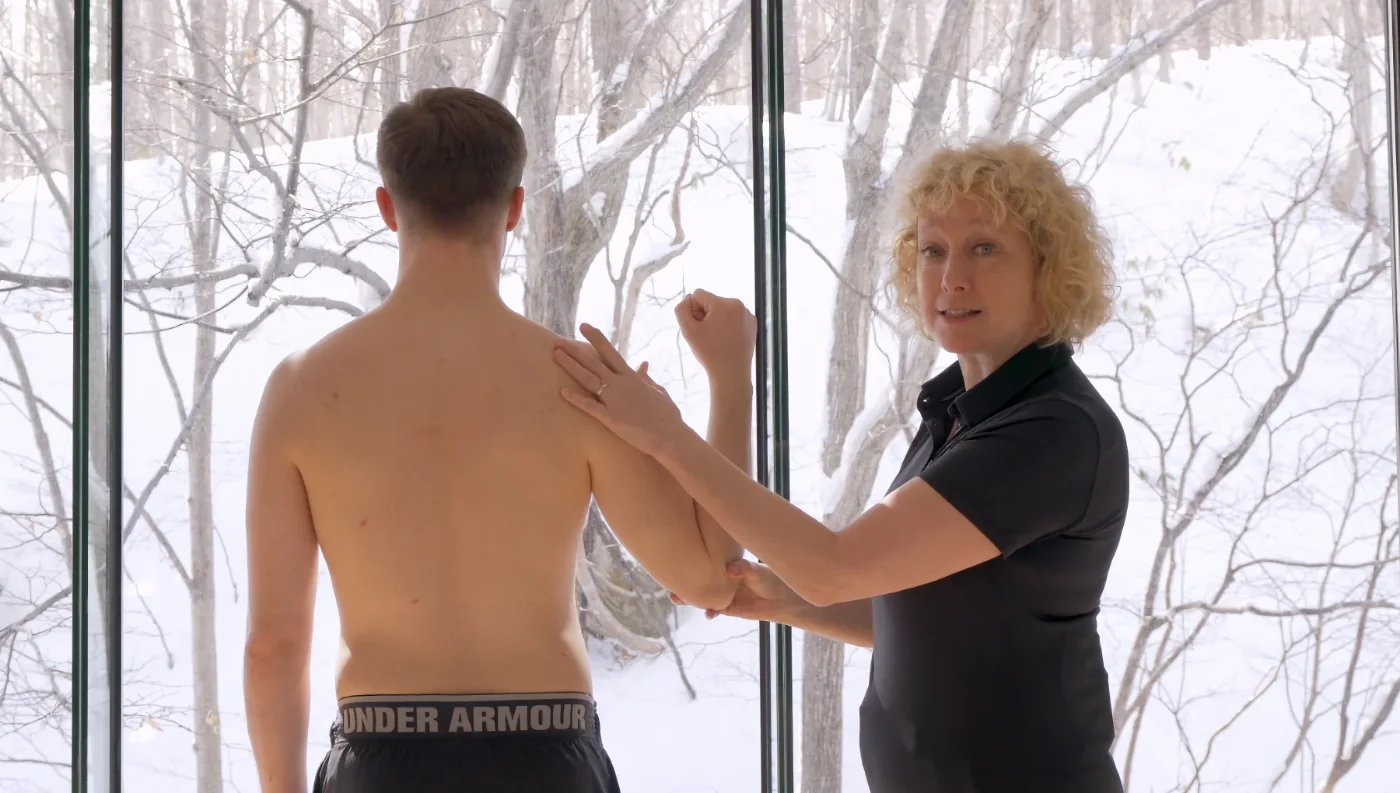
Jo Gibson assessing a patient's shoulder from behind
What's included

Four case-based presentations, 3.5 hours of CPD and 12 months to use them

Each presentation is built around real case studies, with Jo's Q&A session recorded at the end. Your viewing time is added to your automatic CPD record, and your certificate of completion is generated once you've watched 85% of the course.

4
Practical, case-based video presentations with Jo Gibson
3.5
Hours of CPD, logged automatically
12
Months of unlimited on-demand access
85%
Completion earns your certificate of completion
  • Immediate access
  • Demonstration videos of assessment and treatment
  • Downloadable course handout
  • Listen on your podcast app
  • Automatic CPD record
  • Certificate of completion
Enrol

One ticket. Immediate access.

One ticket includes all four presentations, the course handout, 3.5 hours of CPD and 12 months of on-demand access. Prices in Australian dollars.

Course registration
299AUD
One upfront payment
Payment options for Course registration
  • Immediate access to this half-day course
  • 12 months unlimited on-demand course access
  • Full access to 4 practical, case-based video presentations
  • Demonstration videos of assessment & treatment
  • Learn at your own pace: pause, rewind and rewatch anytime
  • Downloadable handout: print or save for quick clinic reference
  • Automatic CPD record
  • Certificate of completion with CPD/CE hours
  • Add the course to your professional development portfolio
Access starts as soon as your payment is processed. Secure checkout with Stripe.
VISA
stripe
256-bit SSL
The security of your purchase is ensured by an SSL certificate and a fully secure Stripe payment portal. All membership, conference and course prices listed are in Australian Dollars (AUD). Refund terms are outlined in the Clinical Edge Terms & Conditions.
Your presenter

Hi, I'm Jo Gibson

Jo Gibson MCSP MSc is a Clinical Physiotherapy Specialist who has specialised in rehabilitation of the shoulder since 1995, previously at the Liverpool Upper Limb Unit and now in private practice. Here's Jo in her own words.

Jo Gibson
Jo Gibson
Clinical Physiotherapy Specialist · Liverpool, UK
Since 1995
Specialising in the shoulder

I'm a Liverpool-based Shoulder Specialist Physiotherapist with more than 30 years of experience specialising in shoulder rehab, previously in the Liverpool Upper Limb Unit and now in private practice.

I teach all over the world and am passionate about helping clinicians use a simple, effective approach to shoulder pain, so you can achieve better treatment outcomes with shoulder pain patients.

I work as a Consultant on shoulder rehabilitation for several elite sports teams throughout the UK.

I'm an Associate Lecturer at Liverpool University, and have published in peer-reviewed journals, written several book chapters and co-authored National guidelines for the treatment of common shoulder pathologies.

As a Co-Editor of the Educational Section of the Journal of Shoulder and Elbow, my research interests include communication, complex shoulder instability and accelerated rehabilitation.

Jo Gibson
Clinical Physiotherapy Specialist · Liverpool, UK
CPD

3.5 hours of CPD, recorded automatically

The Difficult Shoulder online course contains three and a half hours of video presentations with Jo Gibson, including the Q&A recorded at the end of each one. The website records your progress through each video, and your viewing time is added to the automatic CPD record in your dashboard. A certificate of completion with your CPD/CE hours is available to download 24 hours after you've watched at least 85% of the course content, and you can download it, and a copy of your CPD record, at any time afterwards.

3.5
Hours of CPD
85%
Completion earns your certificate of completion
12
Months of on-demand access
Who can enrol

The Difficult Shoulder online course is designed for Physiotherapists, Physical Therapists, Sports Doctors and other health professionals who treat shoulder pain. The content assumes a working knowledge of shoulder assessment and rehabilitation.

FAQ

Common questions.

About the course

Access and CPD

Enrolment and payment

Bring clarity and confidence to your most challenging shoulder presentations.

Join The Difficult Shoulder online course for immediate access to four case-based presentations with Jo Gibson, a downloadable course handout and 12 months to work through them at your own pace.

Immediate access · 3.5 hours CPD · 299 AUD
Jo Gibson